
About

Kris Lee is the founder and creative force behind KLD2, a contemporary staging company based in Seattle. With a thoughtful, collaborative approach, Kris partners closely with her clients to transform everyday spaces into environments that feel refined, functional, and drive emotional connection. She is also the founder of Kris Lee Design, an interior design firm based in Seattle with a national reach.
Our philosophy
Others stage, we design
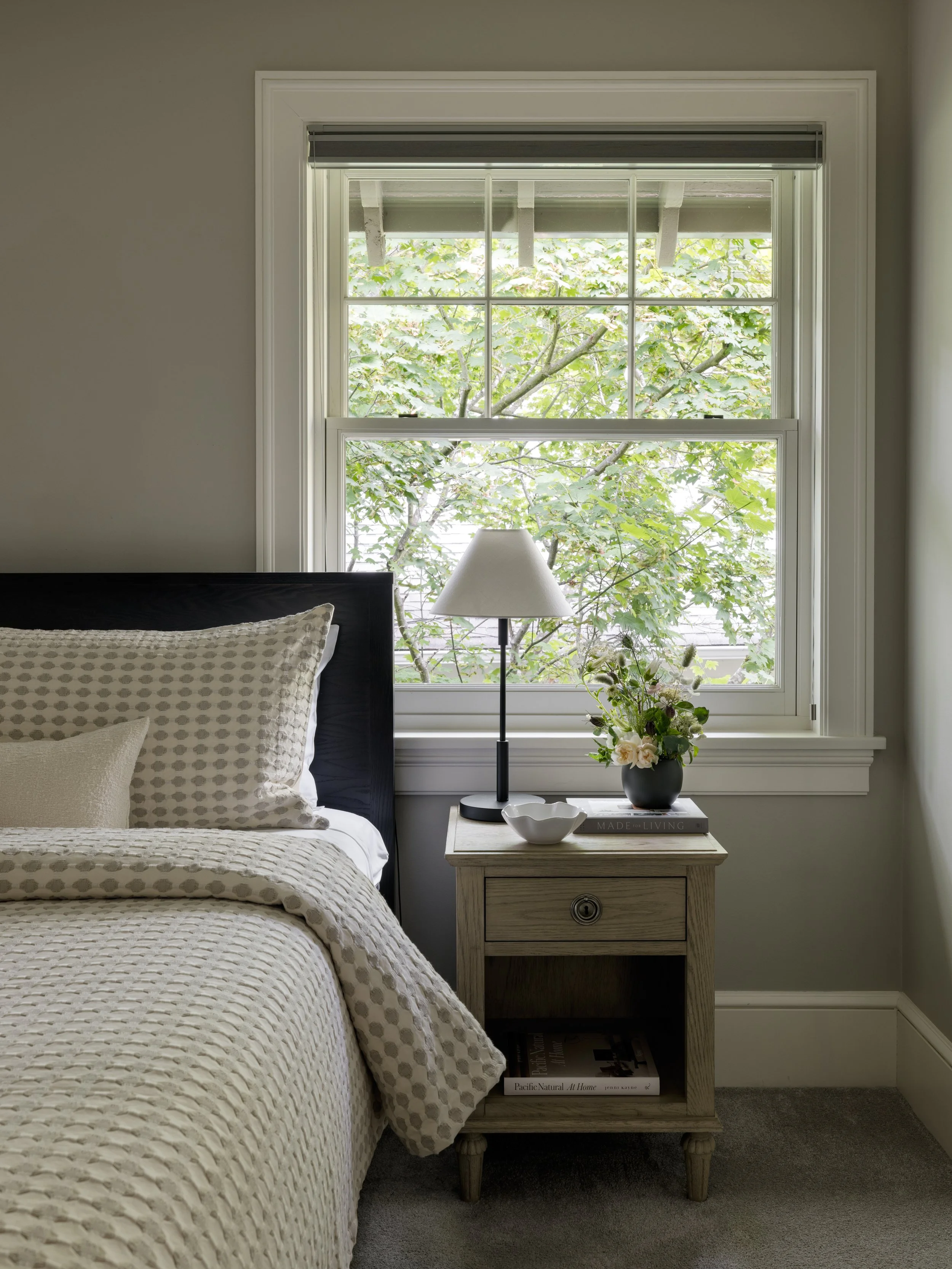
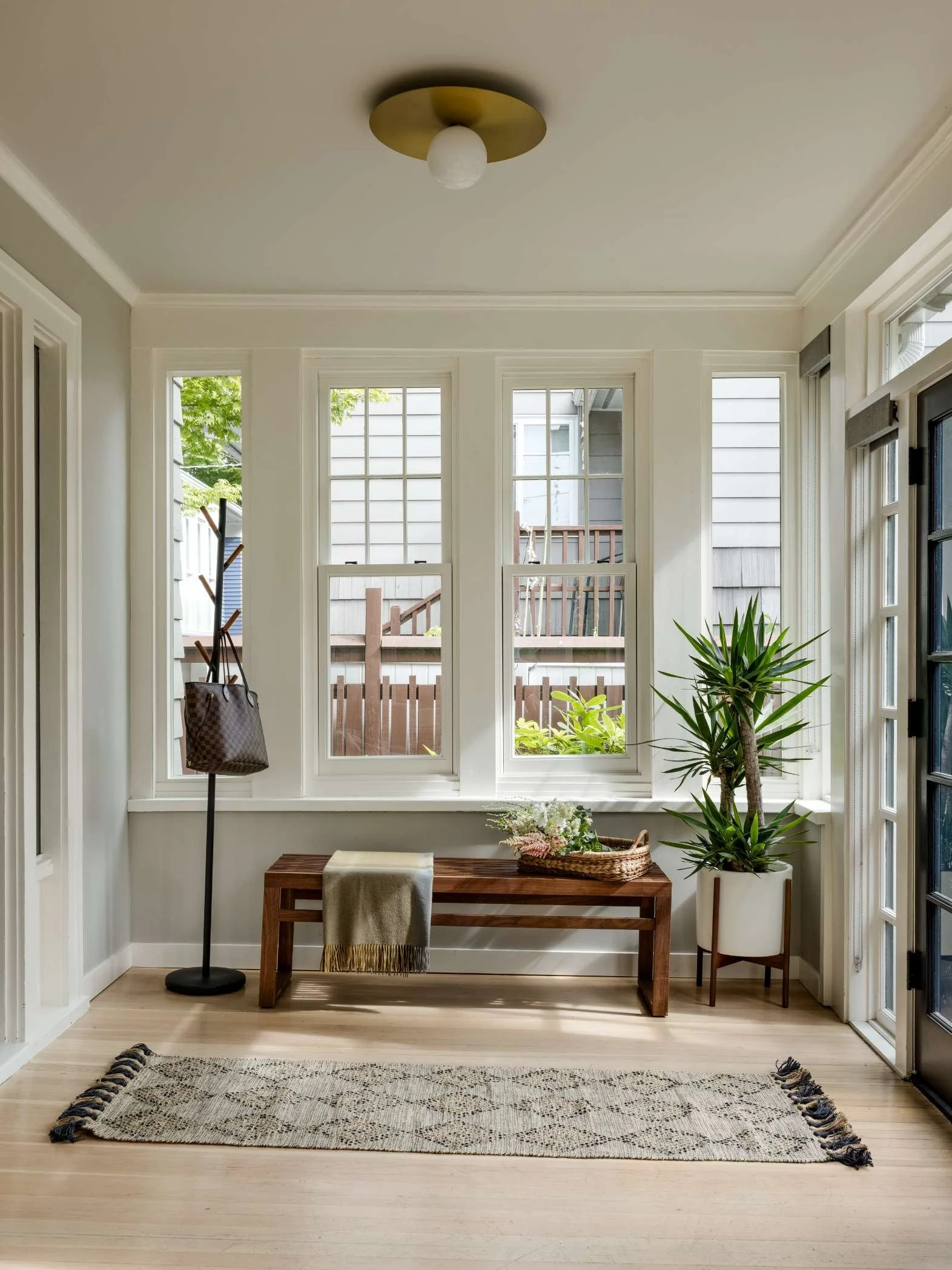
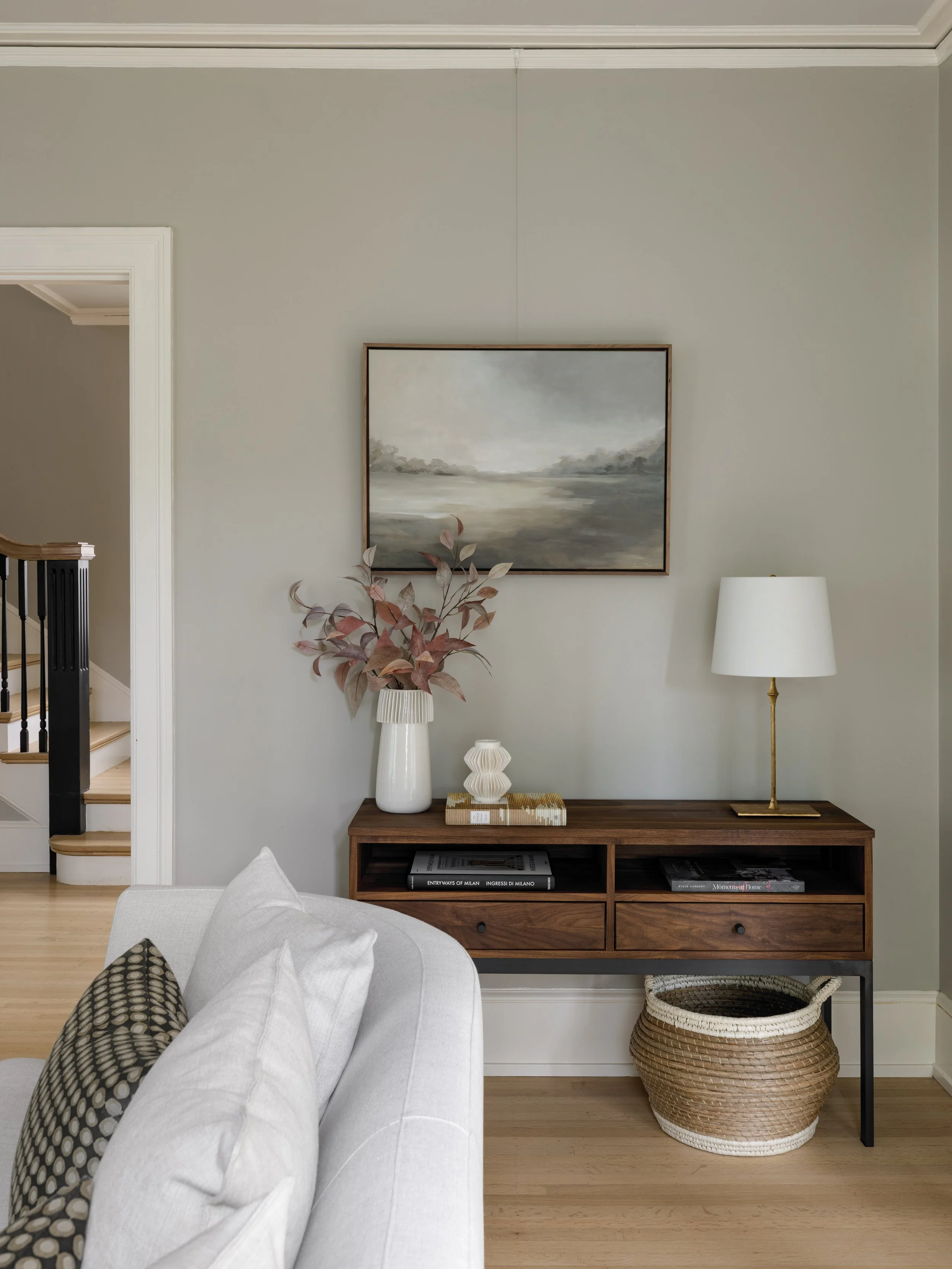
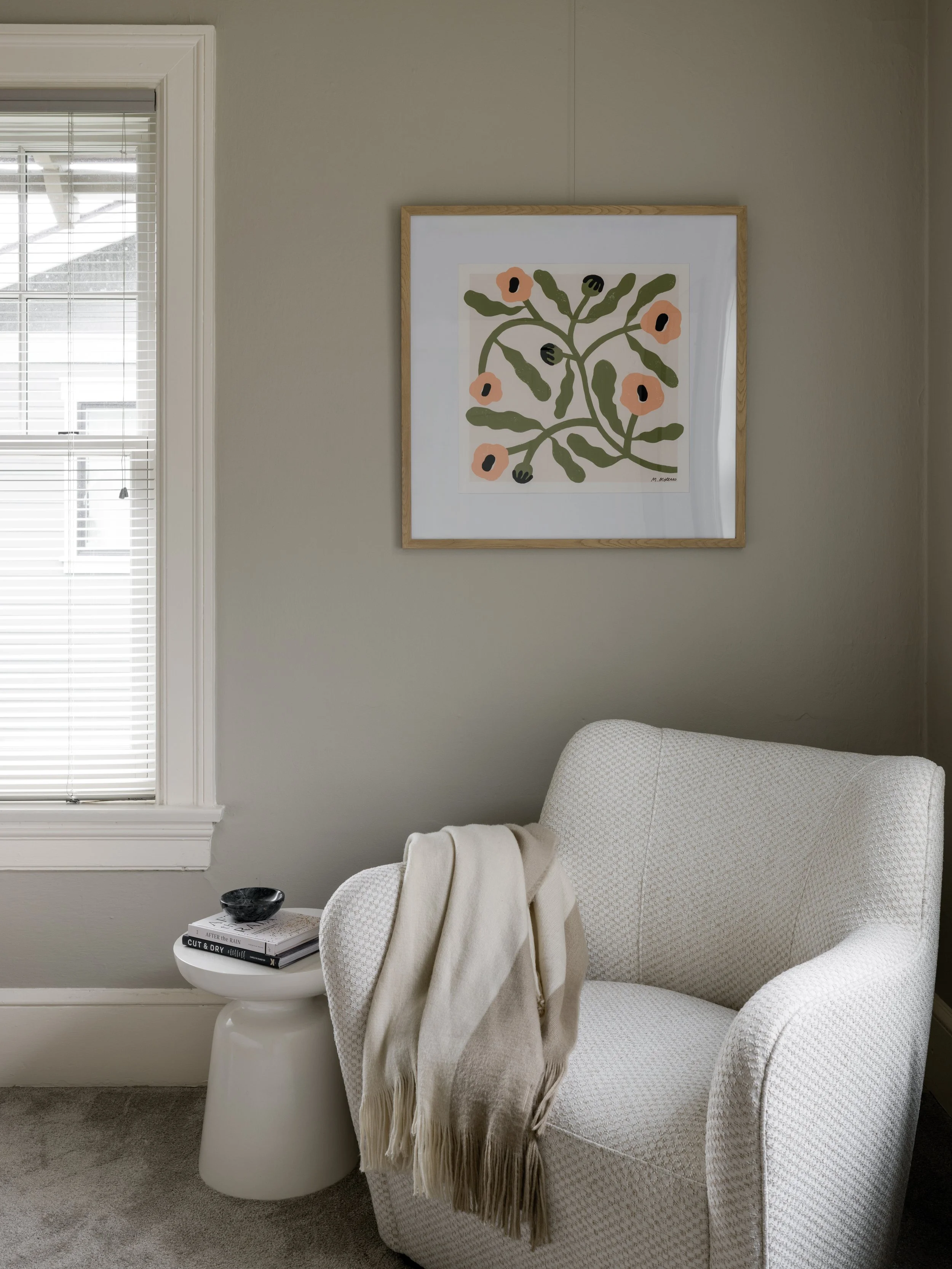
There's a difference between making a home look staged and making a home feel compelling. We don't just place furniture, we create an experience. Every home is considered for its’ architecture. Every room is considered for scale, flow, light, and the emotional response we want to create in the buyer who walks through the door.
Accountability at every stage
Kris brings over 20 years of experience inside Fortune 50 companies managing complex projects, large budgets, and teams that had to deliver on deadlines. That discipline is the foundation of how we stage. Timelines are honored. Communication is clear. You'll never wonder where things stand.
Contemporary, curated, never generic
Our inventory is deliberately selected for today's market. Clean lines, natural materials, layered textures, and balanced palettes that appeal to modern buyers without alienating anyone. We don't arrive with one look. We arrive with a vision built around your specific property.
Rooted in real estate
We understand what agents need and what sellers fear. Every decision we make is made with the transaction in mind — fewer days on market, stronger offers, smoother closings. Staging is a strategy, not a styling exercise.
The most successful spaces are collaborative
We work closely with listing agents, photographers, and sellers to ensure every project is coordinated seamlessly. Ideas flow openly. Communication stays clear. And every decision is made with the end result in mind: a property that sells fast and for what it's worth.
Rooted in collaboration
Where trust shapes every transaction
KLD2 is rooted in relationship, not only with clients, but within the broader Seattle real estate and design community. Kris collaborates closely with listing agents, builders, architects, and photographers to ensure every project is executed thoughtfully and without friction.
Many clients come through referrals. Many projects evolve into lasting partnerships built on shared values: honest communication, exceptional results, and a genuine investment in the other person's success.
If you're an agent looking for a staging partner you can count on or a seller who wants to close knowing you left nothing on the table, this is where that conversation starts.
FAQs
-
Home staging is the process of preparing a property for sale by strategically arranging furniture, decor, and design elements to appeal to the widest possible pool of buyers. It's important because staged homes sell faster and for more money than unstaged homes. Staging shifts a property from "someone's home" to a product on the market, one that buyers can emotionally connect with and envision as their own.
-
Yes. According to the National Association of Realtors, staged homes sell for 1 to 5% more than unstaged homes, and in competitive markets the impact can be even greater. More importantly, staged homes spend fewer days on market, which reduces price reductions and carrying costs. The return on investment for staging consistently outperforms nearly every other pre-listing improvement a seller can make.
-
Home staging costs vary depending on the scope of work. A staging consultation typically ranges from $200 to $1000. Full staging can range from $2,500 to $10,000 or more depending on the size of the home and how long it's on the market. Most sellers find that staging pays for itself many times over in final sale price and reduced time on market.
-
A staging consultation is a walk through of the property where a professional stager provides room by room guidance on what to declutter, rearrange, update, or remove before listing. The seller implements the recommendations themselves. Full staging involves the stager and often a team physically transforming the space, which may include bringing in rental furniture, artwork, rugs, and accessories. Consultations are ideal for occupied homes with good existing furnishings. Full staging is best for vacant properties or homes that need significant visual transformation.
-
All of them, however, if budget or time is limited, prioritize in this order: the living room, primary bedroom, kitchen, and entryway. These are the spaces buyers respond to most emotionally and the rooms that photograph most prominently in listings. A strong living room and primary bedroom signal lifestyle and comfort. A clean, organized kitchen signals care and value. The entryway sets the emotional tone the moment a buyer walks through the door.
-
Many sellers can make meaningful improvements on their own. Decluttering, deep cleaning, removing personal photos, and neutralizing bold paint colors go a long way.
However, a professional stager brings a trained, objective eye that most homeowners can't replicate. It's difficult to see your own home the way a buyer does. A professional stager knows exactly what buyers in your market respond to, and can identify issues that sellers are often too close to notice.
Overall, even if you take down personal photos or rearrange furniture, buyers have a hard time seeing past the clothes in the closet, the toiletries in the bathroom and don’t have an emotional connection to the home.
-
Vacant homes especially benefit from staging. Empty rooms are notoriously difficult for buyers to emotionally connect with. Without furniture, spaces feel cold, smaller than they are, and lack any sense of how they function. Staged vacant homes give buyers a clear sense of scale, purpose, and lifestyle. In a vacant home, staging isn't optional. It's one of the highest leverage investments a seller can make.
-
A staging consultation typically takes 1 to 4 hours depending on the size of the property. Full vacant staging generally takes one to two days.
How you actually live in it. A professionally designed space isn't just beautiful, it works. The flow makes sense. The storage is where you need it. The seating is arranged for how the room gets used, not just how it photographs. Function and beauty aren't in tension. They're the same goal.
The difference is this: a well-designed space doesn't just look better. It feels like it was made for you — because it was.